Building strong customer relationships has become one of the most important priorities for modern businesses. Customers expect more than good products and competitive prices. They want personalized communication, quick responses, consistent support, and experiences that reflect their individual needs. As competition increases across industries, businesses must find effective ways to understand customer expectations, manage interactions, and maintain meaningful connections throughout the customer journey.
Traditional methods of handling customer information often make these activities difficult, particularly when companies manage large customer databases, multiple communication channels, and complex sales processes.
Customer Relationship Management (CRM) technology provides businesses with a structured approach to managing these responsibilities. Instead of maintaining disconnected spreadsheets, email records, and separate customer databases, organizations can use integrated platforms to organize information and coordinate interactions. One widely recognized solution is Microsoft Dynamics 365. It brings customer-related information and business processes together, helping sales, marketing, and customer service teams work with a more complete understanding of their customers.
Microsoft Dynamics 365 supports organizations in managing customer information, tracking sales opportunities, coordinating marketing activities, and improving service experiences. Its connected applications can help employees access relevant information and respond more consistently across different stages of the customer lifecycle. When implemented with clear business objectives and reliable data practices, the platform can help organizations strengthen customer relationships, improve collaboration, and create more sustainable growth.
Guest Author: Sophia Brown
Understanding the Importance of Customer Relationship Management
Customer relationship management is not simply about storing contact details. It involves understanding customer preferences, recording previous interactions, identifying potential requirements, and delivering appropriate support at the right time. Every conversation, purchase, service request, and follow-up can provide useful information about what customers value.
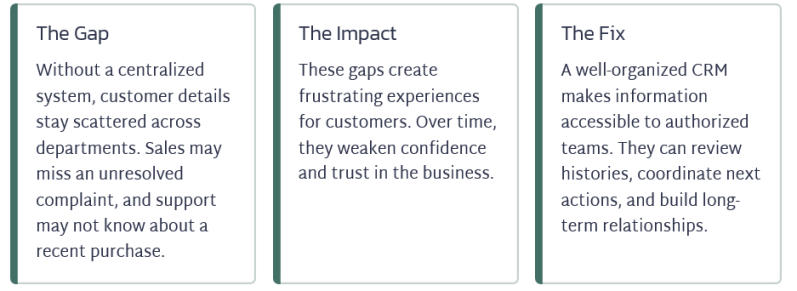
Without a centralized system, important details may remain scattered across departments. Sales representatives might not know about an unresolved service complaint, while customer support employees may lack information about a recent purchase or ongoing sales discussion. These gaps can create frustrating experiences and weaken customer confidence.
A well-organized CRM platform helps reduce these communication problems by making relevant information accessible to authorized employees. Teams can review customer histories, understand outstanding requirements, and coordinate their next actions. This creates a more consistent experience and helps businesses move away from isolated interactions toward long-term relationship management.

How Microsoft Dynamics 365 Creates a Connected Customer View
One of the major advantages of Microsoft Dynamics 365 is its ability to bring customer-related information into a connected business environment. Organizations can use its CRM applications to manage accounts, contacts, opportunities, activities, and customer interactions. Having these details organized in one system makes it easier for employees to understand the background of a relationship before communicating with a customer.
For example, a sales representative preparing for a meeting can review previous conversations, open opportunities, purchasing information, and recorded customer requirements. This preparation allows the representative to have a more relevant discussion instead of asking customers to repeat information they have already provided.
A connected customer view also supports coordination between departments. When sales and service teams have access to appropriate shared records, they can understand customer concerns and avoid conflicting communication. Businesses should establish suitable permissions and data governance policies so employees can access information relevant to their responsibilities without exposing unnecessary customer details.
Personalizing Communication and Customer Engagement
Customers respond positively when businesses understand their interests and communicate information. Dynamics 365 can help teams use customer records, preferences, and previous interactions to tailor conversations. Sales employees can refer to recorded requirements, while marketing teams can organize audiences into segments and plan communications for different stages of the buying journey.
Personalization means making each interaction useful. A company introducing a service can focus on customers whose recorded needs align with the offering. Organizations should respect communication preferences and consent requirements.
Improving Sales Processes and Follow-Ups
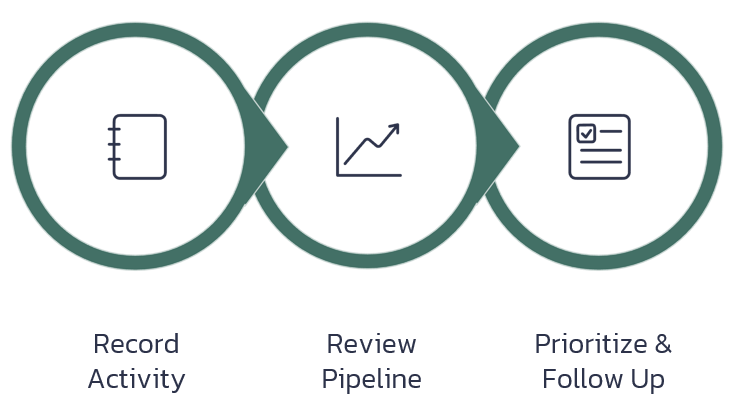
Customer relationships depend on what happens between conversations. Missed follow-ups and unclear responsibilities can cause opportunities to lose momentum. Dynamics 365 Sales helps teams organize leads, accounts, contacts, and opportunities while tracking related activities. Salespeople can record calls, meetings, tasks, and next steps, making it easier to maintain continuity when several employees work with one account.
Managers can review pipeline reports to identify deals needing attention. Sales insights can help prioritize activities, but do not replace judgment. Follow-up should remain timely and relevant.
Strengthening Customer Service and Support
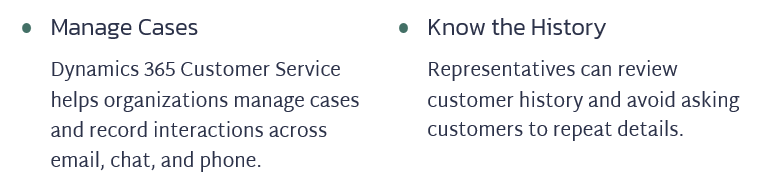
Customer relationships are tested when something goes wrong. A delayed delivery, product issue, billing question, or technical problem can affect confidence if the business responds slowly. Dynamics 365 Customer Service helps organizations manage cases, record interactions, coordinate work, and support communication across channels such as email, chat, and phone.
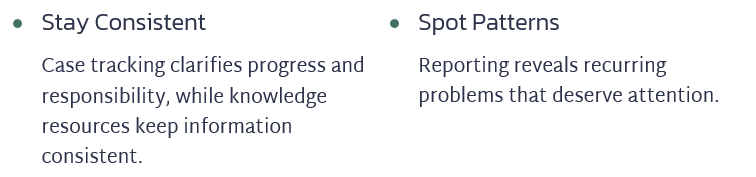
When representatives can review relevant customer history, they may understand issues more quickly and avoid asking customers to repeat details. Case tracking clarifies progress and responsibility, while knowledge resources can help agents provide consistent information. Reporting can also reveal recurring problems that deserve attention. The objective is not simply to close cases, but to resolve them in a way that preserves trust.
Using Customer Insights to Make Better Decisions
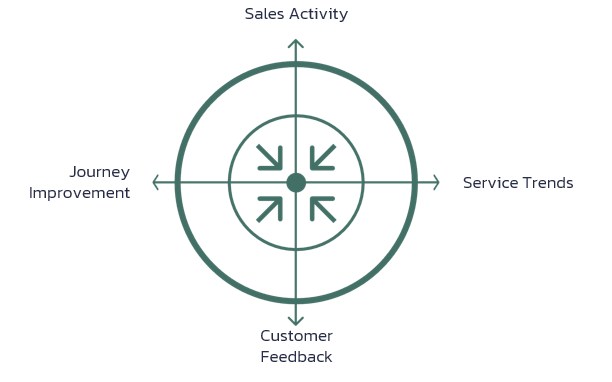
Customer information becomes more valuable when businesses use it to recognize patterns. Dynamics 365 reporting and connected analytics can help teams examine sales activity, service trends, and customer feedback. Managers can investigate where customers experience delays, which interactions support engagement, and which parts of the customer journey need improvement.
Feedback can reveal friction that sales figures may miss. Businesses should review it regularly and share findings with teams able to improve onboarding, clarify product information, or adjust support coverage.
Connecting Sales, Marketing, and Service Teams
Customers experience a business as one organization, even when responsibilities are divided among departments. If marketing makes a promise that sales cannot explain, or support is unaware of an earlier conversation, the customer may experience the company as disconnected. Dynamics 365 can support coordinated processes by giving authorized teams access to relevant records and shared activities.
Marketing may nurture an interested prospect, sales may qualify the opportunity, and customer service may support the relationship after purchase. When teams record important information and follow agreed processes, customers are less likely to repeat themselves. Microsoft describes customer relationship management as a cross-functional process involving sales, service, marketing, and operations, with shared visibility supporting loyalty and growth.

Identifying the Right Technology Environment and Business Needs
The value of CRM technology depends partly on whether it fits an organization's processes, scale, and existing systems. Before implementation, decisionmakers should map how customer information is collected, which teams use it, what problems occur, and which outcomes they want to improve. Integrations, licensing, staff training, data migration, and ongoing administration also require consideration.
For technology providers, consultants, and B2B service companies, understanding which organizations already use a business platform can help shape relevant conversations. A targeted Microsoft Dynamics 365 Users List can be a resource for identifying businesses associated with the technology and exploring potential professional connections. Its value depends on relevance, data quality, and responsible outreach. It should support thoughtful prospecting rather than indiscriminate messaging, and businesses must follow applicable privacy and marketing rules.

Best Practices for Getting More Value from Dynamics 365
Technology alone cannot create customer loyalty. Businesses need clear processes and employees who use the system consistently. Implementation should begin with defined goals, such as improving response times, completing follow-ups, reducing repeated data entry, or making customer records more complete. Teams can then configure workflows and reports around those priorities.
Two practices are especially important:

Introduce changes in stages and collect employee feedback. Data security requires access controls, retention policies, staff awareness, and compliance reviews. Confirm which features are included, because capabilities vary by product and licensing.
Measuring the Impact on Customer Relationships
To assess value, businesses need measures connected to customer outcomes. Useful indicators include satisfaction scores, first-response and resolution times, repeat purchases, retention, lead conversion, follow-up completion, and unresolved cases. No single metric tells the whole story. Faster case closure, for example, is not positive if customers repeatedly contact support about the same issue.
Reviewing indicators together helps managers identify trends and investigate feedback. Findings should guide process improvements, making CRM part of an ongoing improvement cycle.
Conclusion
Microsoft Dynamics 365 can help businesses improve customer relationships by connecting information, coordinating work, and giving employees better context for each interaction. Its sales and service capabilities can support opportunity management, customer support, relevant communication, and learning from feedback. These benefits are strongest when the platform aligns with business goals and is supported by accurate data, clear ownership, employee training, and responsible information practices.
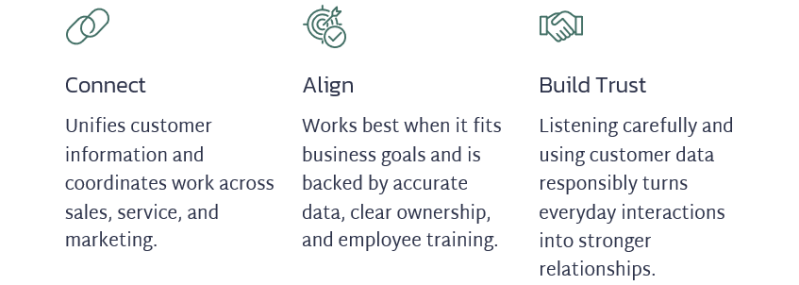
Lasting relationships are built through trust, consistency, and useful experiences. Dynamics 365 provides tools that can support those qualities, but people and processes remain essential. Businesses that listen carefully, respond thoughtfully, and use customer information responsibly can turn everyday interactions into stronger relationships and a foundation for long-term growth.
#MicrosoftDynamics365 #Dynamics365CRM #CustomerRelationshipManagement #CustomerExperience #CustomerEngagement #CustomerRetention #SalesEnablement #CustomerService #DataGovernance #DigitalTransformation
About the Author

Sophia Brown - EprofileTech LLC
I am Sophia Brown, a Digital Marketing Specialist at EprofileTech LLC with expertise in SEO, content marketing, B2B lead generation, and digital growth strategies. I enjoy creating research-backed content that helps businesses improve their online visibility, generate qualified leads, and stay ahead of evolving marketing trends.